… and when statewide politicians, not educators, make the call
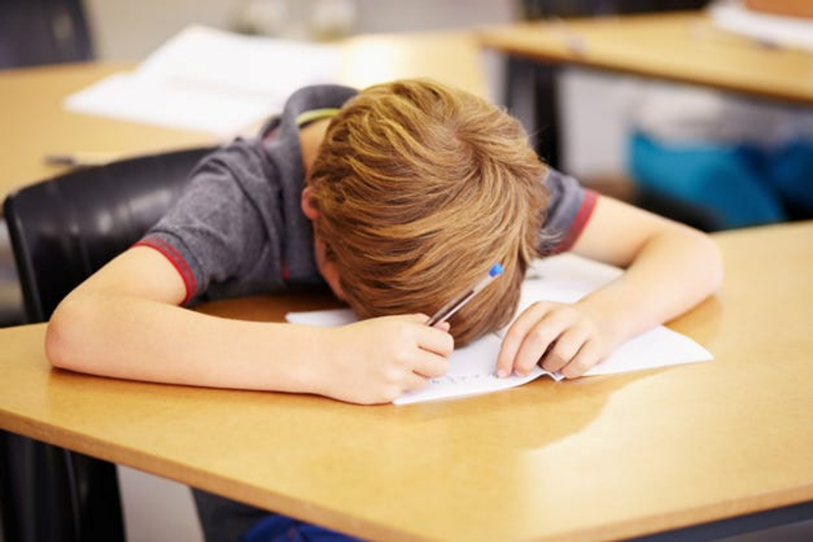
I grew up in Ohio and still have many friends and relatives living there. One of my friends sent this plea for help from her daughter. Here is what she wrote to her own family and friends.
“Family and friends,
I am fortunate to have kept my teaching position this year, but I am going to need some help with supplies. It’s just not possible for me to do this on my own. It would be a huge help if you are willing to forward the message and link below to friends and members of your community who might be in a position to help.
Thanks,
An Art Teacher in Ohio”
I left out the name of the district because it isn’t the district’s fault at all. Here is her plea for help as the new school year begins:
“Hello,
I am an art teacher in Ohio. For the 2026-27 school year, legislators abandoned Ohio’s Fair School Funding Plan that began in 2021 to fix an unconstitutional over-reliance on property taxes. This decision is leaving many of Ohio’s largest and neediest school districts drastically underfunded. My district cut about 20 teachers and staff in our three small schools for the upcoming school year. Additionally, when teachers returned to work this August, we were told that our classroom budgets had been effectively cut as well, leaving teachers and families to purchase any necessary supplies. Families in our district are typically low-income households. This request is a huge burden to them and is likely not realistic.
I teach art to nearly 500 5-10 year olds each week. In a typical school year we do countless drawings and paintings in addition to at least one sewing, weaving, printmaking, and ceramics project per child. We use a lot of supplies, because there are a lot of little artists!
My students flourish in art class. One of my greatest joys as an art teacher is seeing every student succeed at something whether it’s building a suit of armor with cardboard boxes or making a painting for Grandma. Your generosity means they will continue to express themselves creatively. It means the world to them and to me. Thank you.”
My best classes and experiences in elementary school were the “special classes”: art, music, physical education, and library. For those of you who aren’t sure what special classes are, this is what I got from Reddit:
In elementary school, “specials” are non-core classes outside the standard homeroom curriculum. Students rotate through these subjects, which are taught by specialized teachers, usually once a week or on a rotating multi-day schedule.
Common elementary school specials include:
- Physical Education (P.E.)
- Art
- Music
- Library / Media Center
- Technology / Computer Lab
- STEM / STEAM
- Spanish or other foreign languages
- Social-Emotional Learning (SEL)
For almost all children, these are the classes where they can be themselves and enjoy hands-on learning. For me, sitting through “core classes” was horrible. I was bored and was a clock watcher. Seriously, by the end of the day I would watch that clock with the ticking long hand.
According to Steve Harding on Medium:
Those old school clocks make a loud click sound every single minute. A master clock in the main office sends an electrical pulse to move the hands forward. [1]
How School Clocks Work
- A master clock controls all the clocks in the building.
- It sends a pulse of electricity through wires every 60 seconds.
- The minute hand jumps forward to the next notch all at once.
- This system keeps every clock in the school showing the exact same time. [1]
Why Schools Used Them
- No batteries are needed inside each classroom clock.
- Every single room stays in sync for class changes.
- They are very strong and last for many years.
- Maintenance staff only need to fix one main clock if time changes.
Almost all of my happy memories from elementary school days were related to the “specials.”
The brightest students in a classroom were just as interested in special classes as children of different intellectual talent.
Things Have Changed Since I Was in Elementary School
Since the rapid changes in the 1960s opened the work forces to women, the most highly intelligent women were able to get into higher paying roles and many left the field of teaching. It became difficult to hire as many highly intelligent teachers as had been in the education workforce up until then. It’s possible that the reason more of the curriculum became mandatory and “pre-packaged” is because more teachers needed that kind of support. But at the same time—this change left teachers too little freedom to bring their own talents and on-the-spot observations about how to tailor the curriculum to fit their students. When it comes to “the specials,” those teachers have a higher requirement to become the specialists in their classrooms. Quite often, flexibility in the classroom—changing course when necessary—is predicated on the specialist’s skill, passion, and a way of reaching the students and what they need.