In this post, we touch upon some ways parents, school personnel, and counselors can appropriately guide adolescents toward emotionally healthy friendships, romance, and independence.

First of all, your super smart children are still children. They still need your guidance and open conversations between you and them. They simply don’t know what’s right or good for them at this point. So no finger pointing or name calling when they inevitably make some poor choices or mistakes.
Specific, and normal, control issues come up between adults and budding adolescents.
Control Issues
Specific control issues contribute to adolescent depression, hostility, or rebellion among the exceptionally gifted. Control is often in the hands of others, not the growing child. This can lead to depression and anger. Here are a couple examples:
- One form that may happen is when inappropriate for this particular youngster school expectations during middle and high school are also accepted as necessary by the child’s parents. Such expectations can lead to depression or rebellion on the part of the child.
- Another issue is about parents who wait too long to begin their child’s path toward independent decision-making and activity. This can lead the emerging adolescent to interpret parental rules and safeguards as too restrictive and an indication that the parents do not trust the maturing young individual. A lot of the rules don’t seem to make sense!
Boys and girls tend to react differently to situations that may appear similar. Also, the child’s level of intelligence coupled with the appropriate or inappropriate environment contributes to when the problems begin for different youngsters.
Parenting Styles
There are three often-cited main types of parenting that fall on a continuum. (See Baumrind). Either extreme is bad for growing children.
Many exceptionally and profoundly gifted children are never identified as being unusually smart because they have problems in school!
Nonetheless, there should be no concession to the general requirements of good parenting except that highly intelligent children generally need a more cognitive approach with more talking and more collaboration. Extremely gifted children need to be able to trust and respect those who are in charge of them.
This does not mean that they will blindly comply or obey. A thumbnail definition of depression that I like to use is this: depression is obligation without power. Depression comes from our anger at those who can control us even though they are fools or have fools’ expectations. Some adolescents act out their anger externally while others act it out internally via depression or other self-harming activities.
Three main types of parenting
The three main types of parenting are permissive, authoritative, and authoritarian. Neglectful (Neglectfulness) is another type and definitely causes a lot of confusion and “rudderlessness” in adolescents. It’s usually interpreted as “they don’t care what I do, therefore, they don’t care that much about me.”
Briefly,
· permissive provides too little structure or guidance and it often leaves the child feeling abandoned and angry;
· authoritarian is too strict and too rule-oriented and can make the child angry, hostile, and over-bearing as an adult (the affect differs between boys and girls);
· and authoritative is generally seen as the best for both boys and girls throughout childhood. The middle approach takes the time to explain, to listen, and to get the child to understand the ‘why’ of any rules and requirements.
What Can a Parent Do?
I tell parents to think about any expectation they have for their child and ask themselves why they believe it is important. If they cannot think of a good reason, or if the reason includes “That’s what people are supposed to do” or “I’m afraid people will think I’m not a good parent if you don’t do this,” then perhaps it is time to rethink the expectation.
Parents have to recognize that they themselves are still in the process of growing and maturing. As the children become adolescents, the parents are reaching their own new developmental stages of life. Parents need to admit that they are not perfect and are still learning and figuring things out themselves. They also need to have the confidence that their experience and hindsight is valuable and can be useful to their children. No matter how brilliant, an adolescent does not yet have adult perspective or wisdom.
So, what are some of these inappropriate school and home expectations? I’ll name just a few to get readers started:
· bedtime,
· homework,
· and curfews.
As children reach their teens, they can understand the medical research on sleep. Adolescents need more sleep than younger children. People have different biological clocks. Discuss these facts and then let your children experiment with how to set up their own schedules.
How much sleep you need changes as you age. Teenagers still need 8–10 hours a night.
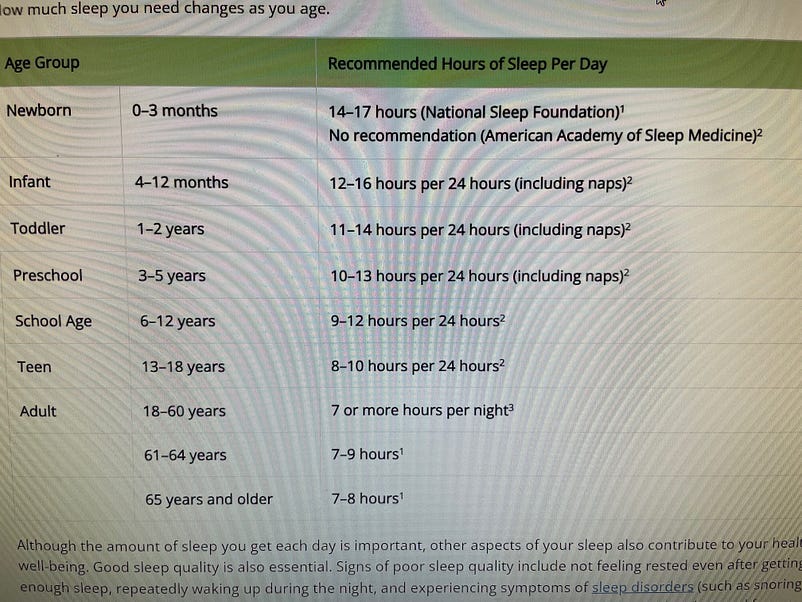
I tell teenagers that if they find themselves having difficulty getting up in the morning, are cranky with people around them, or get too many colds, then they need to adjust their bedtime to ensure they are getting enough sleep.
You and they can set rules for a mutual comfort: no noise or phone calls after 9:00 p.m., for example.
Also, it’s not the parents’ responsibility to wake the teenager up in the morning or drive them to school if they miss the bus. It should be fairly obvious that a parent needs an extensive bag of tricks and motivators to ensure that the child still goes to school under these circumstances, but this all fits into a number of other issues, as you will see.
If an adolescent is not finishing homework or is trying to skip classes, why might that be? If the adolescent is exceptionally or profoundly gifted, what kinds of classes and assignments is the youth expected to do? If they are in general education classes that have other students and assignments far below the child’s own ability or achievement level, then the first very important change to make is to remove the youngster from the inappropriate environment.
When we try to force an extremely gifted young person to comply with rules and expectations that they have correctly perceived are completely wrong for them, can we be surprised when they express their power in the only ways remaining to them?
What About Motivating Your Adolescent Child?
Parents often ask how to motivate their children. Children are naturally motivated. The better question is:
How do I motivate an adolescent to do what I want even though it is — or they see it as — totally wrong for them?
Good question, right? I encourage parents to consider that motivation follows when the youngster is allowed and freed up to do what is interesting. Obviously some school subjects are not inherently interesting to everyone, but if the content and pace are appropriate, and the others in the class are capable of keeping up and discussing it at a similar level, it can become more palatable.
Also, teenagers respond very well to discussions about “not burning your bridges’ and keeping options open for the future by what we study today.
Seriously, Not Have Curfew?
I heard a talk at my children’s school when they were still pre-adolescents where the speaker suggested that parents should loosen up the curfew until it was totally up to the young person by senior year in high school. The speaker was not invited back to the school, but I took what she suggested and expanded upon it for my own children. When giving the maturing adolescent more freedom and more decision making power, the parent must clearly inform the youth about dangers, risks, reputations, time management, responsibilities, and any fears the parent might have.
Realistically, it makes no sense to expect the youth to go from total parental control to total freedom as a college freshman. It is better to ease them into personal responsibility while you are still there to counsel and guide them.
One of my sons told me as he saw how sheltered too many of his classmates were, that girls, in particular, were “sitting ducks” when they went to college. Food for thought, people.
Further Resources
Baumrind, Diana. (1967, 1991). Child care practices anteceding three patterns of preschool behavior. Genetic Psychology Monographs, 75(1), 43–88, and The influence of parenting style on adolescent competence and substance use. Journal of Early Adolescence, 11(1), 56–95.
CDC on sleep needs: https://www.cdc.gov/sleep/about_sleep/how_much_sleep.html
Free Spirit Books. See https://www.freespirit.com/
SENG (Supporting the Social and Emotional Needs of the Gifted). See https://www.sengifted.org/